Insights
Research, perspectives, and field updates from AWSS — translating aircraft wastewater surveillance into operational knowledge for aviation and public health leaders.

Aviation Biosecurity
Article · May 20, 2026
Why aircraft wastewater surveillance matters — and why now
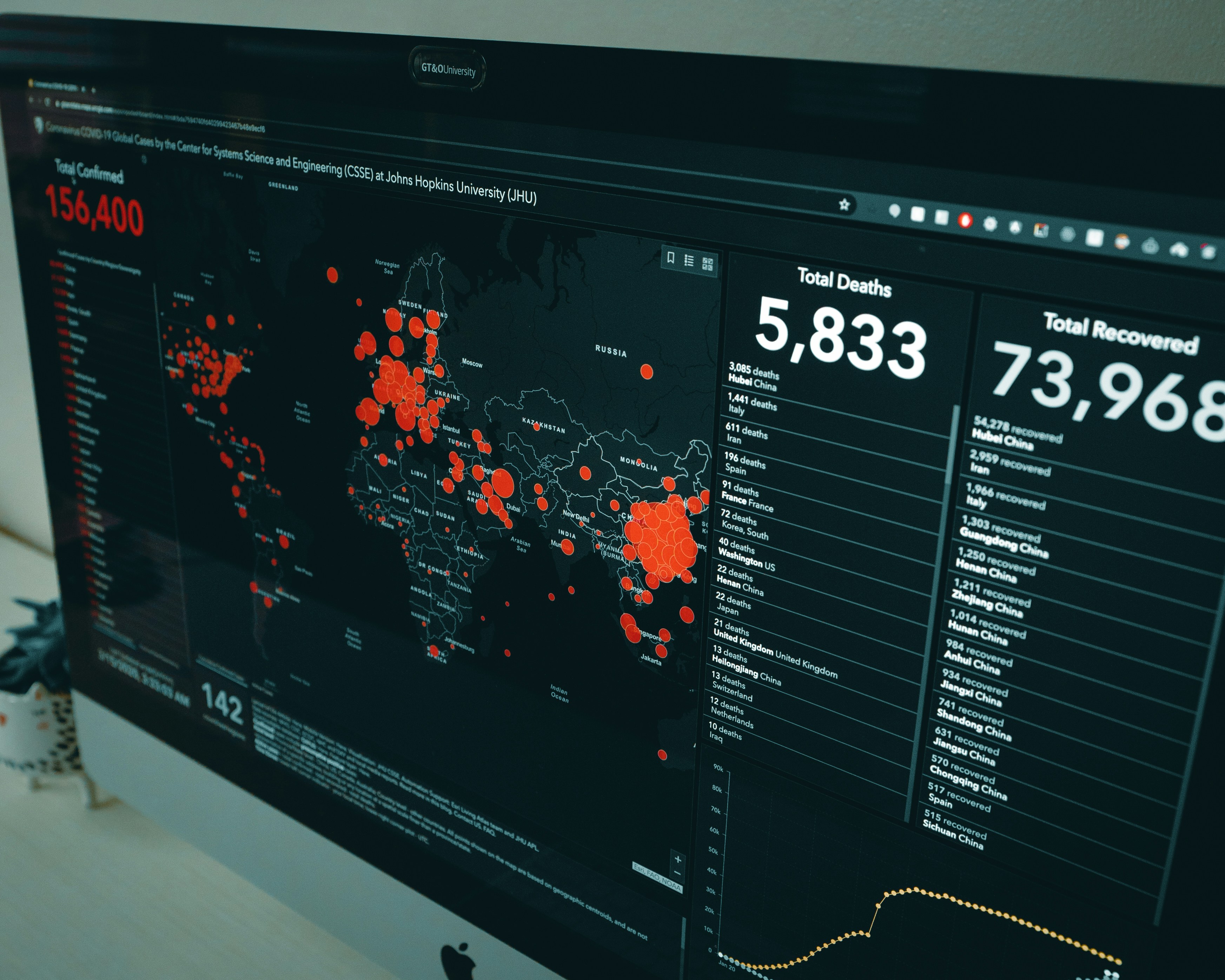
Modern variants spread faster than symptoms appear. Aircraft wastewater surveillance closes the gap — turning a plane's lavatory tank into an anonymous, population-level health signal that warns authorities weeks before clinical surveillance can.

Global Case Studies
Article · May 20, 2026
Poliovirus at the airport: how Poland's study proved ancient threats still cross modern borders
Polio was supposed to be eliminated. Between 2017 and 2020, researchers at Warsaw Chopin Airport systematically sampled wastewater from international arrivals — and found poliovirus. The discovery confirmed that airport wastewater surveillance works as a sentinel system for pathogens far older than COVID-19, and that no disease is safe to stop monitoring just because it was once controlled.

Thailand Economic Outlook
Article · May 19, 2026
The economic and societal case for aircraft wastewater surveillance in Thailand
Tourism contributes roughly 20% of Thai GDP. Forty million foreign arrivals pass through Thai airports every year. Aircraft wastewater surveillance is not a public-health luxury — it is an insurance policy on Thailand's most exposed economic sector, with measurable returns.

Science & Technology
Article · May 19, 2026
The blue liquid problem: why airplane toilet chemicals make wastewater surveillance harder — and how science solved it
The vivid blue disinfectant in aircraft lavatories — designed to sanitize waste — turns out to be a serious adversary for molecular biology. Understanding why, and how researchers overcame it, is the story of making aircraft wastewater surveillance actually work.

Science & Technology
Article · May 19, 2026
96.6%: why a pooled airplane toilet sample detects what individual swabs miss
When the CDC pooled airplane wastewater through airport triturators — machines that mix waste from multiple aircraft — the positivity rate hit 96.6%. That number tells a precise story about why population-level sampling beats individual screening, and why it is the smarter tool for border health.
Global Case Studies
Article · May 18, 2026
Five countries already running aircraft wastewater surveillance — what works, what didn't
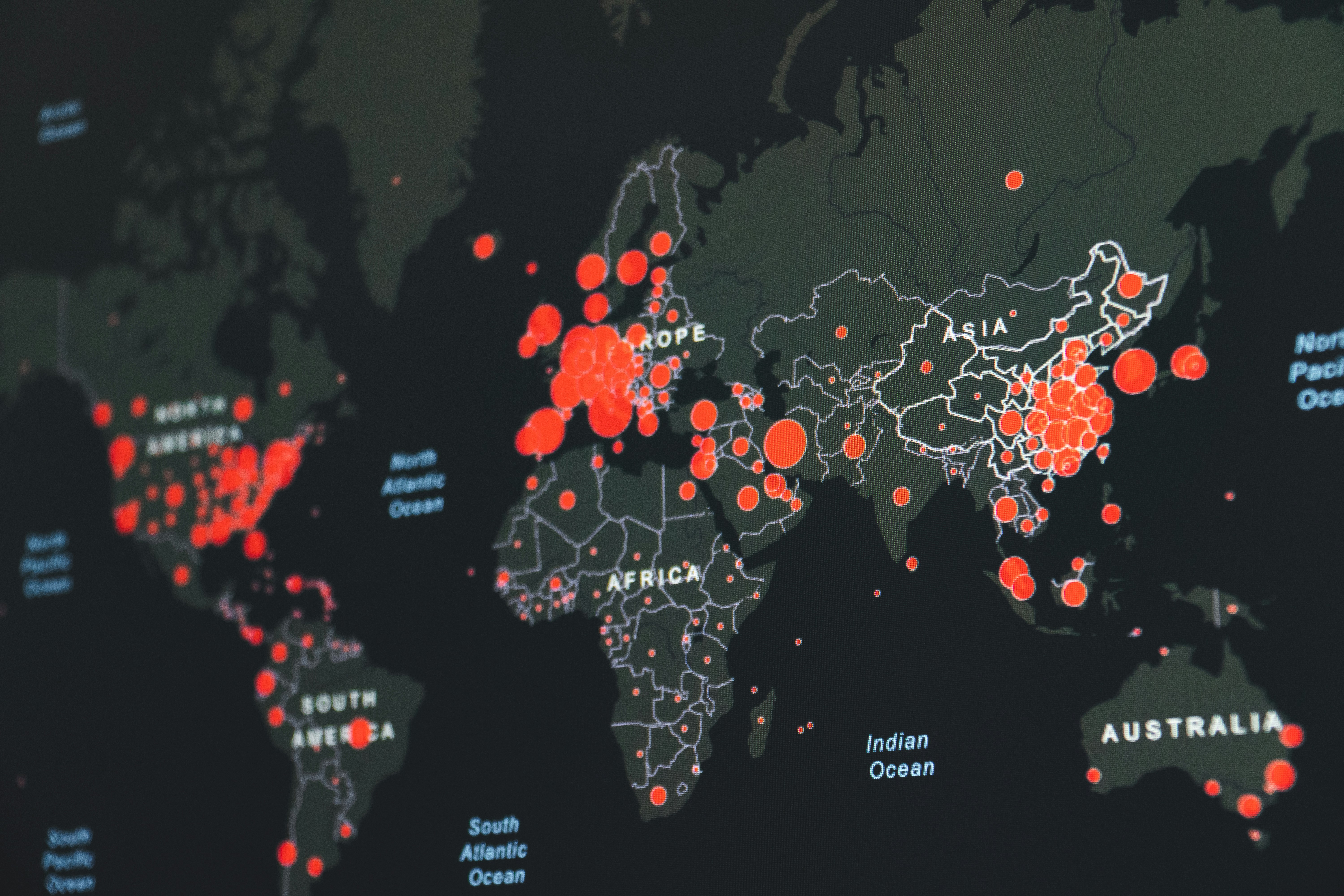
Aircraft wastewater surveillance is no longer a research concept. The US, UK, EU, Australia, and New Zealand have run operational programs across the past four years — generating real detections, real political support, and real lessons. Here is what Thailand should learn from each.

Global Case Studies
Article · May 18, 2026
Four weeks before America knew: how the UK–US bilateral program caught the XEC variant first
The SARS-CoV-2 XEC variant was circulating in UK-origin flights a full four weeks before it appeared in US-origin flights — detected through transatlantic aircraft wastewater monitoring. This single finding is the clearest demonstration of what border-level genomic intelligence actually means in practice.

Science & Technology
Article · May 18, 2026
90% positive, 2% infected: the Israel study that proved wastewater is a smarter screen than symptom checking
Researchers in Israel compared aircraft wastewater against mandatory clinical swabs taken from arriving passengers on 86 international flights. The wastewater detected SARS-CoV-2 in over 90% of samples — even when fewer than 2-3% of passengers were infected. This is the most direct comparison of the two methods published to date.

Global Case Studies
Article · May 17, 2026
Beyond COVID: what Brussels Airport found in the wastewater of 32 Beijing flights
When China reopened its borders in January 2023, European health authorities scrambled for intelligence on what pathogen variants might be arriving. At Brussels Airport, researchers used a cutting-edge metagenomic approach on flights from Beijing — and found far more than COVID-19.
Global Case Studies
Article · May 17, 2026
70% unknown: what Rwanda's aircraft wastewater surveillance revealed about the variants we're missing
Kigali International Airport tested 630 wastewater samples from international flights over seven months. What they found was startling: 70% of the sequenced positive samples could not be assigned to any known variant lineage — suggesting that the global genomic surveillance network has vast blind spots, and aircraft wastewater is one of the few tools capable of revealing them.

Pathogen Detection
Article · May 17, 2026
Antibiotic resistance genes are flying too: the AMR threat hiding in aircraft wastewater
While the focus of aircraft wastewater surveillance has been on viruses, a 2025 study revealed something more insidious: the lavatory tanks of long-haul flights carry antimicrobial resistance genes — the genetic blueprints for drug-resistant bacteria — moving silently across borders with every flight.
Pathogen Detection
Article · May 17, 2026
What aircraft wastewater can actually detect — the pathogen panel in plain language
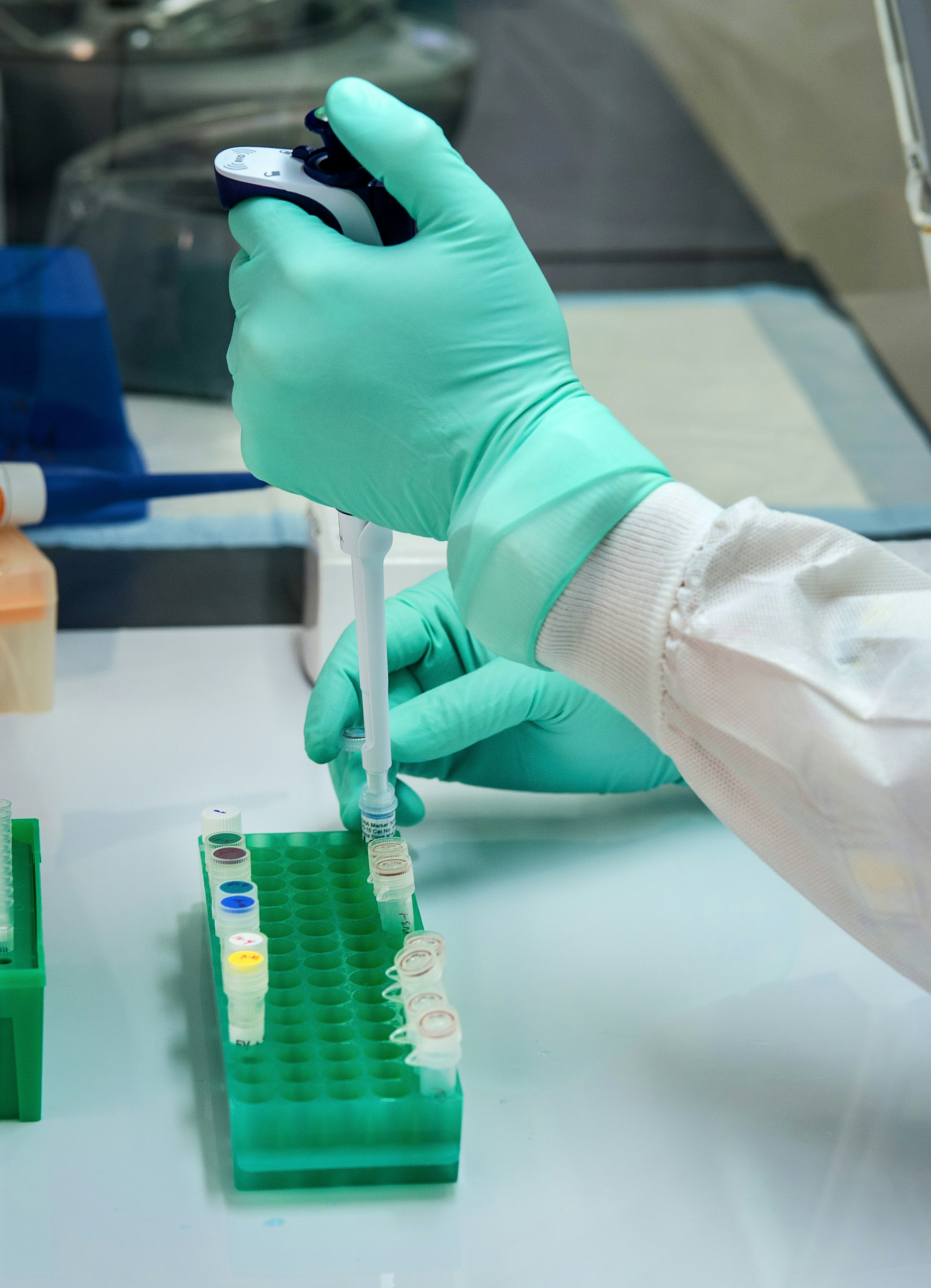
The technology is most associated with SARS-CoV-2, but modern aircraft wastewater panels detect respiratory viruses, enteric pathogens, fungal threats, and antimicrobial-resistance markers — at least 30 pathogens are now in operational use, with documented detections across four continents.

Industry Outlook
Article · May 16, 2026
From research to commercial reality: why aircraft wastewater surveillance is becoming infrastructure, not science
Five years ago, aircraft wastewater surveillance was an academic concept. Today, it is a multi-million-dollar public–private market with operational programs in five major economies, formal regulatory frameworks in the EU, and the first international bilateral monitoring agreement. AWSS reads where this market is going — and what it means for Thailand's window of opportunity.

Science & Technology
Article · May 16, 2026
From aircraft to city: the Stockholm study that mapped how airport variants travel into the community
A landmark 2025 study in Nature Communications tracked SARS-CoV-2 variants across the full chain — from aircraft wastewater at Stockholm Arlanda, through airport terminal sewage, into city wastewater treatment plants, and into the Stockholm community — producing the first end-to-end map of how airport-level detection connects to city-level spread.

Aviation Biosecurity
Article · May 16, 2026
13 weeks to operational: how Berlin Brandenburg Airport built aircraft wastewater surveillance from scratch
In early 2023, Berlin Brandenburg Airport built and launched an operational aircraft wastewater surveillance system in just 13 weeks. The speed was impressive — but the findings, including SARS-CoV-2 mutations not yet seen in Germany's clinical surveillance, were more impressive still.
Industry Outlook
Article · May 15, 2026
GLOWACON: the global governance structure quietly forming around aircraft wastewater surveillance
Most discussions of aircraft wastewater surveillance focus on the science. Fewer focus on the governance infrastructure forming around it. In March 2024, the Global Wastewater Surveillance Consortium — GLOWACON — launched with backing from the European Commission's HERA. This is the institutional layer that turns scientific programs into permanent health infrastructure.

Aviation Biosecurity
Article · May 15, 2026
2–5 days early: how Singapore Changi's aircraft wastewater warned before local COVID surges
At Singapore's Changi Airport, researchers discovered that viral load trends in aircraft wastewater actually preceded local community COVID-19 case surges by 2 to 5 days. In a region where Thailand is the natural next step, this is the closest geographic proof that aircraft wastewater works as a real-time early-warning system for Southeast Asia.
Science & Technology
Article · May 14, 2026
10 airports or 10,000? The network science that proves strategic placement beats blanket coverage
The intuition is wrong: more airports is not always better. A 2025 Nature Medicine study used network modeling across 150,000 simulated pandemic scenarios to show that 10–20 strategically chosen sentinel airports provide nearly the same early-warning benefit as monitoring every airport in the world. Bangkok is on the short list of airports that actually matter.
Aviation Biosecurity
Article · May 14, 2026
What aircraft wastewater surveillance cannot do — the UK's honest limits paper
In a field where enthusiasm sometimes outruns evidence, the UK Health Security Agency published one of the most valuable papers of 2023: an honest assessment of what aircraft wastewater surveillance cannot do. Detection probability is only 13% on short-haul flights. It cannot trace individuals. It cannot replace clinical testing. Understanding these limits is what makes credible use of the technology possible.

Public Health Intelligence
Article · May 13, 2026
The privacy case for wastewater surveillance: why anonymous sewage testing is an ethicist's dream
In an era of growing concern about health surveillance, data privacy, and biometric tracking at borders, aircraft wastewater offers something rare: genuine, structural anonymity. No individual can be identified from a wastewater positive. No data is linked to a passport. No sample requires consent. This is not just a legal convenience — it is a public health advantage.

Industry Outlook
Article · May 13, 2026
IATA knew in 2018: the airline industry's own report that predicted biosurveillance at airports
Before COVID-19. Before any major aircraft wastewater surveillance programme existed. In 2018, the International Air Transport Association published a report identifying airports as 'strategic assets supporting governments' public health objectives' for 'detection and containment of diseases.' The aviation industry predicted the need for this technology seven years before it became a global priority.